
Skip to main content Scroll Top

Services

Specialists in boutique hotels
consultancy
TAILOR-MADE

Based on the specific needs of each individual hotel, marketing strategies are identified to help achieve the branding and revenue objectives set out during the briefing.

The study of the algorithms that govern the online visibility of accommodation providers, the application of modern, advanced revenue management strategies, consultancy on effective brand reputation management, the use of current web editing tools, and support in defining web marketing strategies are just some of the areas on which our consultancy work is based.

Sales & Marketing
Comprehensive business consultancy
aimed at promoting and
increasing turnover, in line with the company’s business philosophy.

Revenue Management

Maximising revenue through dynamic daily pricing, the optimisation and management of distribution channels, and the simplification of the product range.

brand reputation
Brand Reputation

Improving the quality and scope of an organisation’s online reputation through specific marketing and sales strategies.
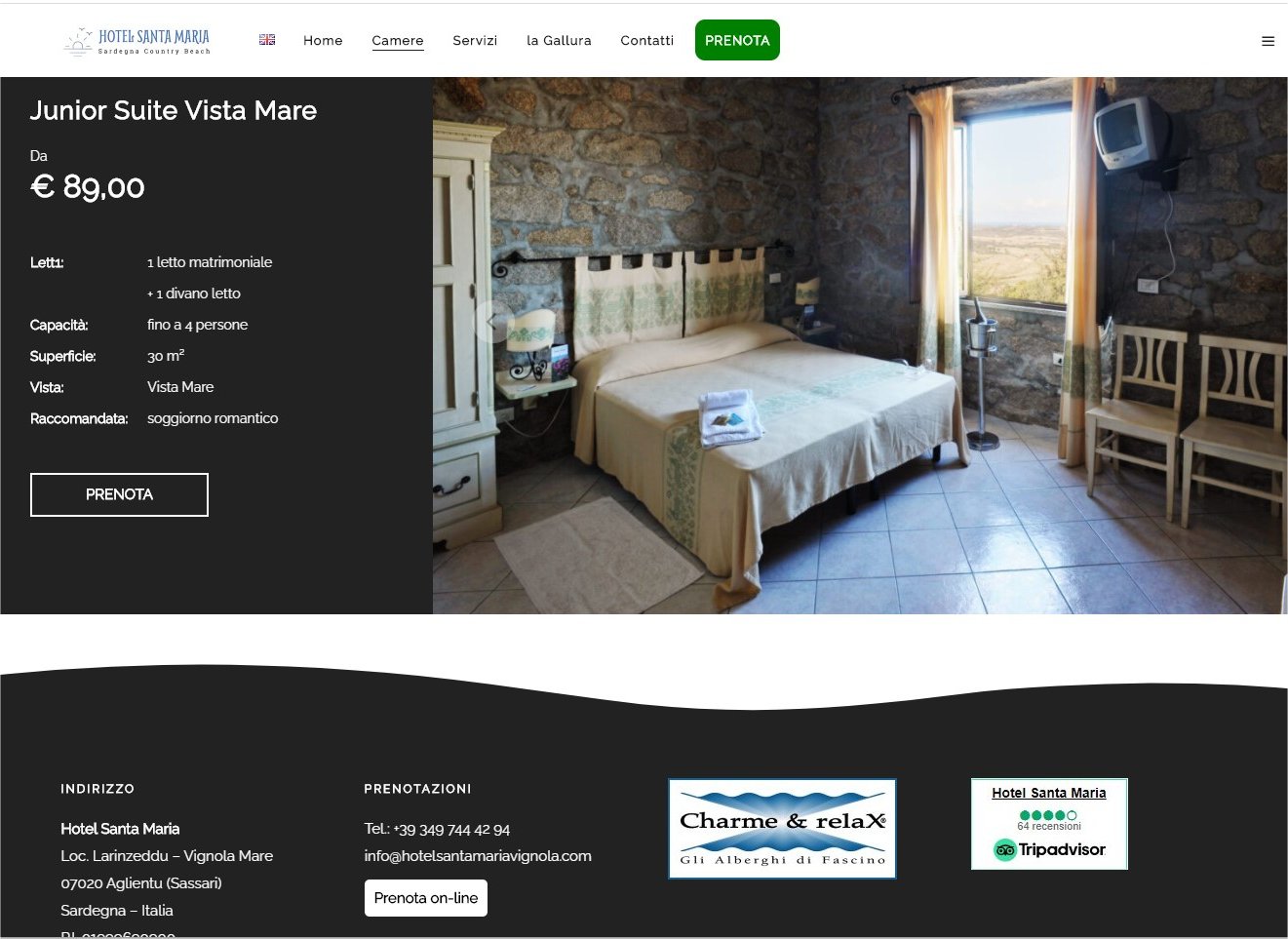
Web editing
Web Editing & SEO

Creation of websites optimised to meet the specific needs of boutique hotels.
Social Media Marketing

Creation and management of social media profiles for boutique hotels, including the development of visibility campaigns.
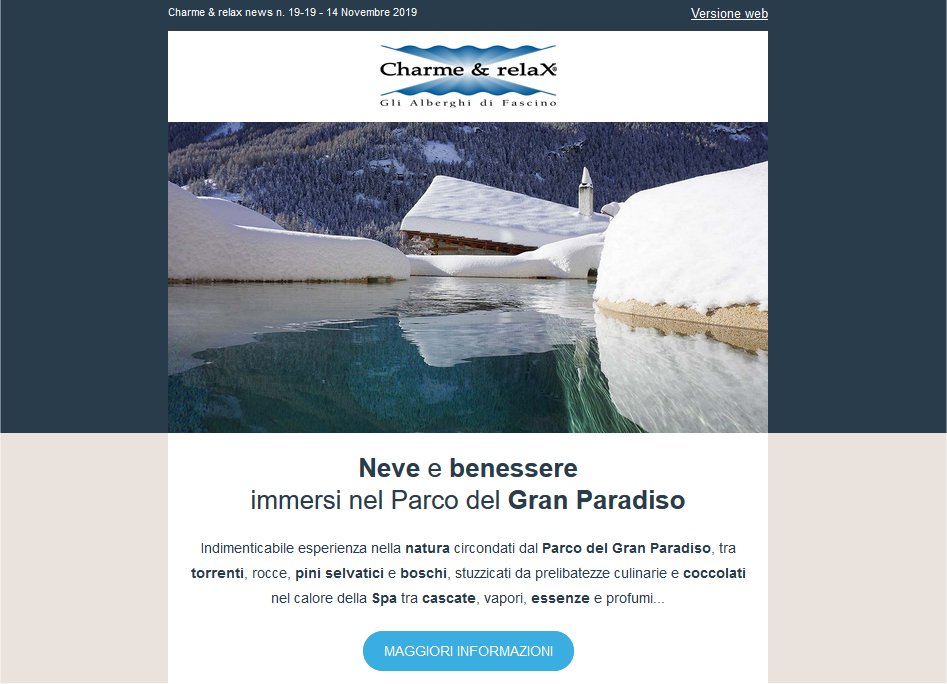
Direct Email Marketing
Creation of dedicated newsletters and management of user databases for targeted campaigns.
Which services should you choose?

Boutique hotels always have a high degree of distinctiveness that makes them unique: this uniqueness may stem from their location, their architectural features, their distinctive services and, above all, their history.

Through a preliminary analysis of the parameters governing the hotel’s market penetration, the areas for action and the most suitable consultancy services for each individual hotel are identified.
This analysis first considers the pricing policy adopted and the effectiveness of online communication: the official website, OTA profiles, brand reputation management and social media profiles.
Secondly, the hotel’s historical data for the last 2–3 years must be analysed: to obtain a sufficiently detailed overview, it is necessary to have daily data on occupancy, unsold rooms, average revenue (and consequent RevPAR) for each room type.

Pricing
99%
Brand reputation
80%
Web site
45%
Ota optimization
65%
Social Media Marketing
25%

Following this preliminary analysis, an in-depth discussion with the hotel’s owners and management is required in order to understand the operational dynamics and adopt a qualitative (rather than merely quantitative) perspective on the hotel’s history.

In our experience, the areas where optimisation has the greatest impact on the growth of a boutique hotel’s performance are: pricing strategies and simplifying the offering, brand reputation, and optimising the hotel’s profiles on OTAs, its website and its social media profiles.

The primary objective must be to create the conditions for optimising sales across ALL channels: focusing one’s efforts on taking bookings away from OTAs does not lead to an increase in turnover; on the contrary, it inevitably results in a gradual loss of visibility and bookings (both direct and indirect).

The higher a property’s ranking on OTAs, the greater its visibility will be, the more direct and indirect bookings it will receive, and the higher its turnover will be.

It is utopian to think that we can change the dynamics of the global market. The current dynamics of online distribution of hotel stays are a direct consequence of the technological leap that has taken place over the last twenty years, a fact that cannot be disputed.

The ability to capitalise on the visibility offered by OTAs is a key factor in a hotel’s success.

OTAs invest huge sums to attract as many visitors as possible to their portals, with the aim of converting these visits into bookings and, consequently, commission. The OTAs’ algorithms determine a ‘hotel ranking’ based on various factors, amongst which the individual hotel’s ability to perform well – that is, to convert views into bookings – plays a decisive role. Based on this ranking, the OTAs give individual hotels greater or lesser visibility.

Once this dynamic is understood, it is possible to devise strategies to maximise the benefits derived from OTAs, for example by maintaining high conversion rates during the low and mid seasons (when the impact of commission fees is lower in absolute terms) and reaping the rewards through direct bookings during the high season, at higher rates than those charged in previous years, leading to year-on-year growth, with a significant increase in turnover and an exponential increase in operating margins.

Privacy Preferences
When you visit our website, it may store information through your browser from specific services, usually in form of cookies. Here you can change your privacy preferences. Please note that blocking some types of cookies may impact your experience on our website and the services we offer.